
Power Up Naturally –
Top Vegetables Every Man Should Eat
Discover how common garden vegetables, eaten consistently and wisely, can fuel men's vitality, support energy levels, and build a foundation for long-term well-being. Our editorial team dives deep into the science of plant-based nutrition so you don't have to.
Why Vegetables Make a Measurable Difference
Research in nutritional science consistently points to one truth: the more variety of vegetables men include in their routine, the better their overall vitality metrics tend to be.
Sustained Energy
Cruciferous and leafy greens provide slow-releasing complex nutrients that keep energy steady throughout the day — no crashes, no mid-afternoon slumps.
Muscle Support
Vegetables rich in magnesium and nitrates contribute to better muscle function and faster post-workout recovery for active men of all ages.
Mental Clarity
Key B vitamins and folate found in dark leafy vegetables are closely linked to sharper focus, better mood regulation, and cognitive resilience over time.
Heart & Circulation
Potassium-rich vegetables support healthy blood circulation and help maintain a balanced mineral profile that directly benefits cardiovascular function.
Top 6 Vegetables Ranked by Men's Health Benefits
Our editorial team reviewed leading nutritional studies to rank the most impactful vegetables specifically for men's physiological needs — from zinc content to antioxidant density.

Spinach
Spinach is extraordinarily rich in magnesium, iron, and folate — three nutrients that play a direct role in men's energy metabolism and muscle performance. Its high nitrate content improves oxygen delivery to working muscles, making it a favourite among active men. Regular consumption is also associated with better circulatory health over the long term.
Read full guide
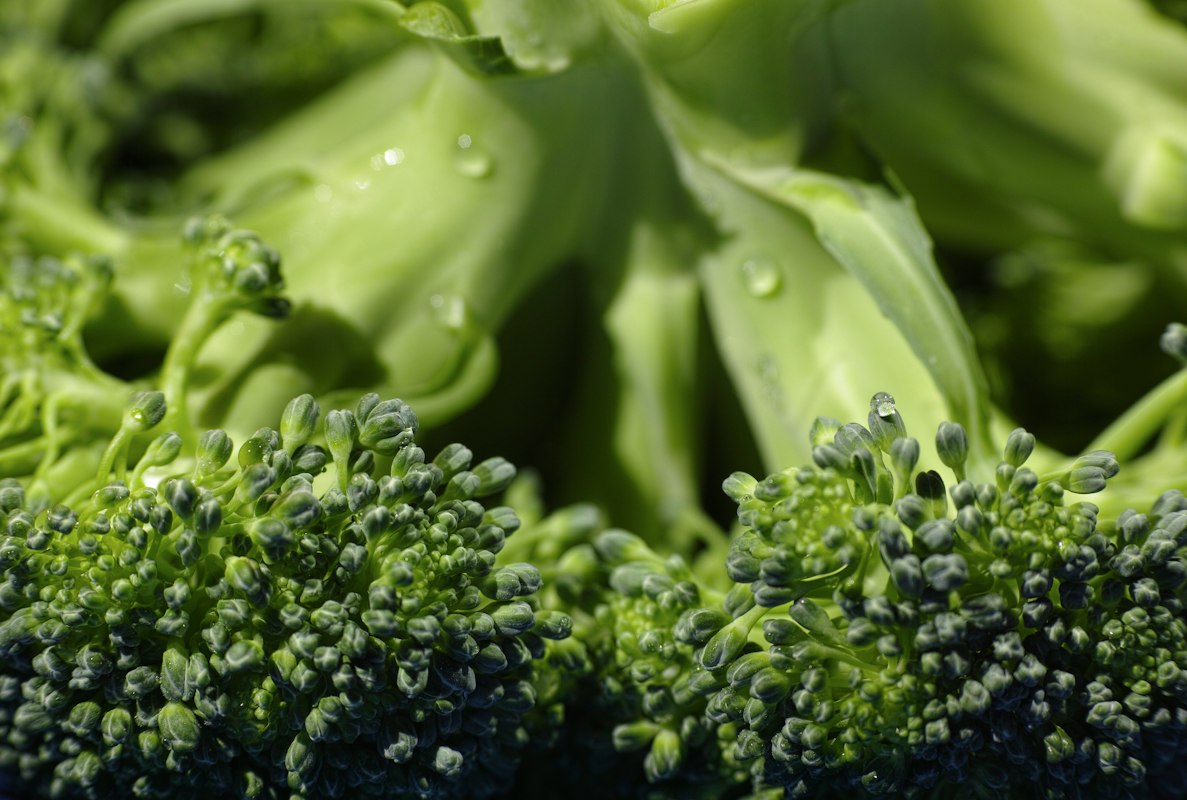
Broccoli
Broccoli contains sulforaphane, a naturally occurring compound studied for its role in supporting the body's cellular defence systems. It is also packed with vitamin C, vitamin K, and chromium, which together support immune function and stable energy regulation. Many nutritionists consider broccoli the single most versatile men's health vegetable available.
Read full guide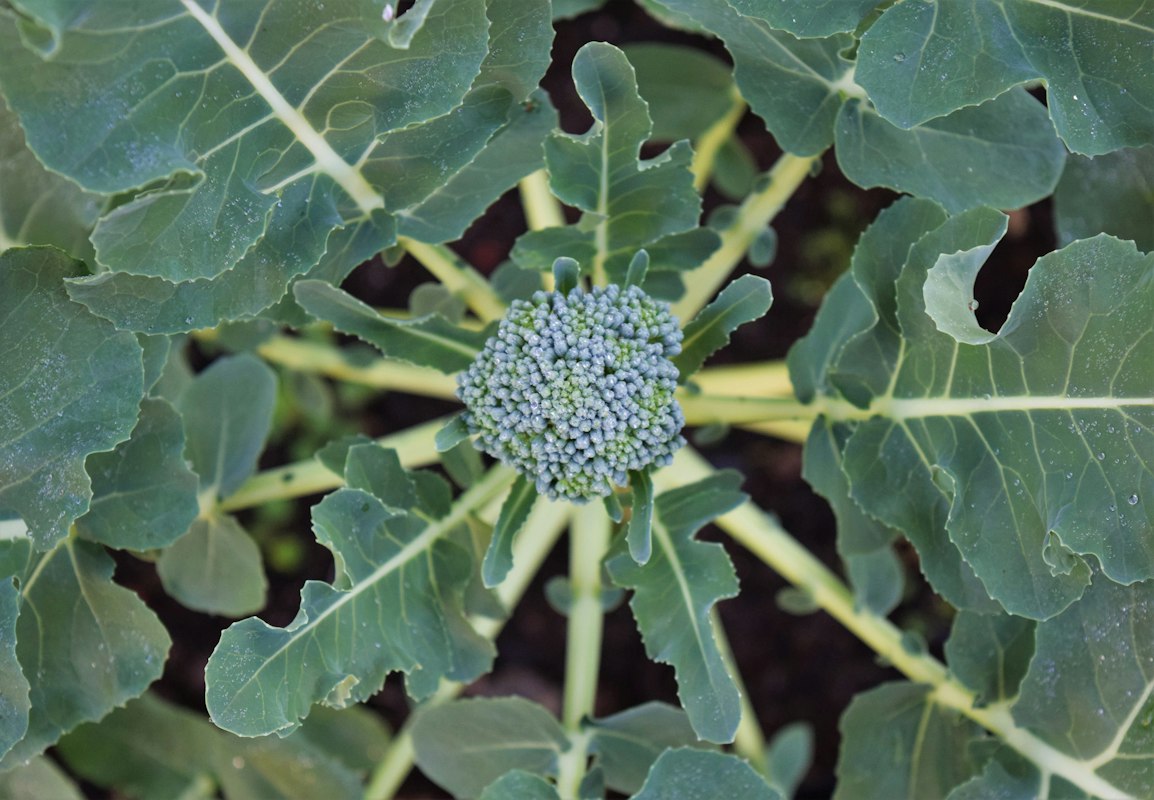
Garlic
Garlic has been prized for centuries in Mediterranean cuisine, and modern nutritional research backs up its remarkable profile. Allicin, its key active compound, supports healthy blood vessel tone and a balanced immune response. Men who include raw or lightly cooked garlic in their daily meals often report greater stamina and robust overall vitality over time.
Read full guide
Beetroot
Beetroot is one of the highest natural sources of dietary nitrates, which the body converts to nitric oxide — a molecule essential for healthy blood flow and endurance performance. Athletes and fitness enthusiasts across France increasingly incorporate beetroot juice and roasted beets into pre-workout nutrition. Its deep pigment also delivers powerful antioxidant betacyanins that protect cells from oxidative stress.
Read full guide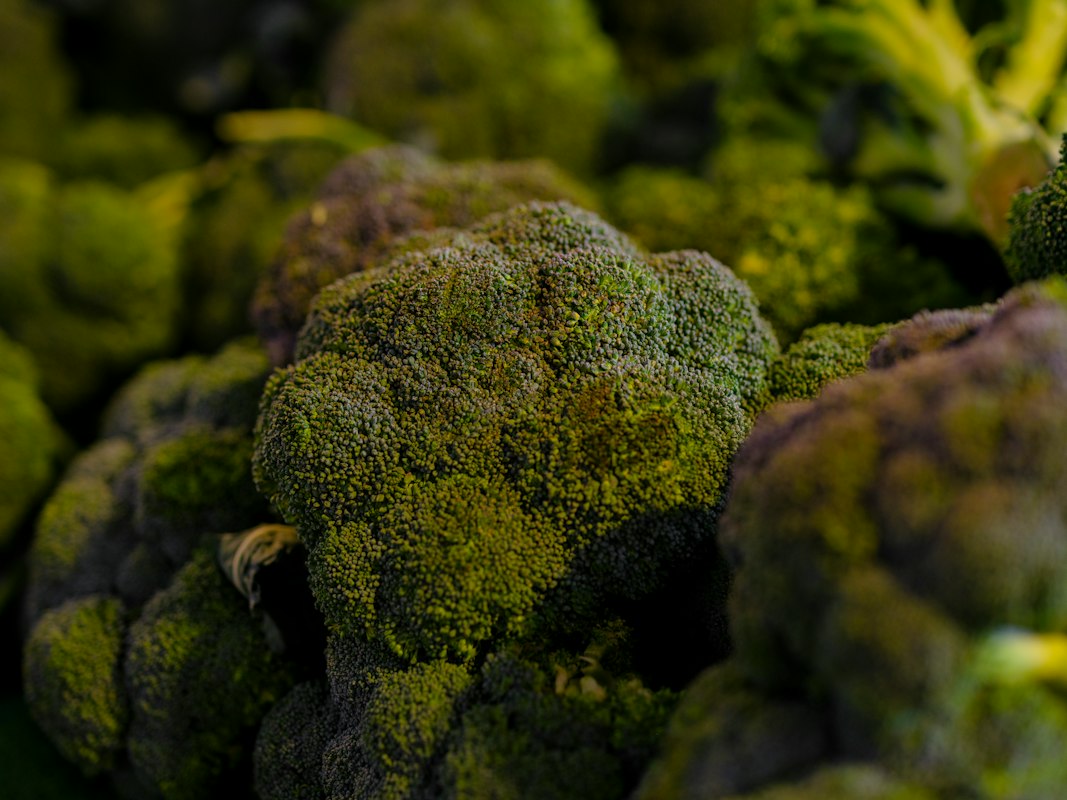
Asparagus
Asparagus is a true nutritional powerhouse for men, combining high folate content with vitamins E and K in one slender spear. Folate is crucial for DNA synthesis and cell renewal — processes that become increasingly important for men as they age. Its mild diuretic properties also support kidney function, helping the body naturally flush excess waste products with ease.
Read full guide
Pumpkin
Pumpkin seeds and flesh are among the richest plant-based sources of zinc — a mineral fundamentally involved in men's endocrine balance, immune responsiveness, and skin health. The vibrant orange colour comes from beta-carotene, a precursor to vitamin A that supports eye health and cell protection. Pumpkin fits seamlessly into soups, roasted dishes, and salads common in French home cooking.
Read full guideHow Plant-Based Nutrients Support Male Vitality
Men's nutritional needs differ from women's in several specific ways. Men generally require higher amounts of zinc, magnesium, B vitamins, and certain antioxidants to maintain strong muscular function, hormonal balance, and sustained mental focus. What many do not realise is that a well-curated selection of everyday vegetables can supply a significant portion of these needs without relying on supplements.
Zinc, found abundantly in pumpkin seeds and leafy greens, is indispensable for the healthy functioning of several enzyme systems and plays a direct role in the maintenance of normal testosterone levels in the blood — a natural process that vegetables simply support as part of a balanced diet. Magnesium, prevalent in spinach, chard, and edamame, is involved in over 300 biochemical reactions in the human body, including protein synthesis and nervous system regulation.
Perhaps most importantly, the combination of dietary nitrates and polyphenols found in beets, broccoli, and asparagus appears to support healthy nitric oxide metabolism — a process that affects blood vessel flexibility, nutrient delivery to muscles, and energy output. Incorporating these vegetables is not a quick fix; it is a long-term dietary strategy that rewards consistency.
Explore the Full Vegetable Index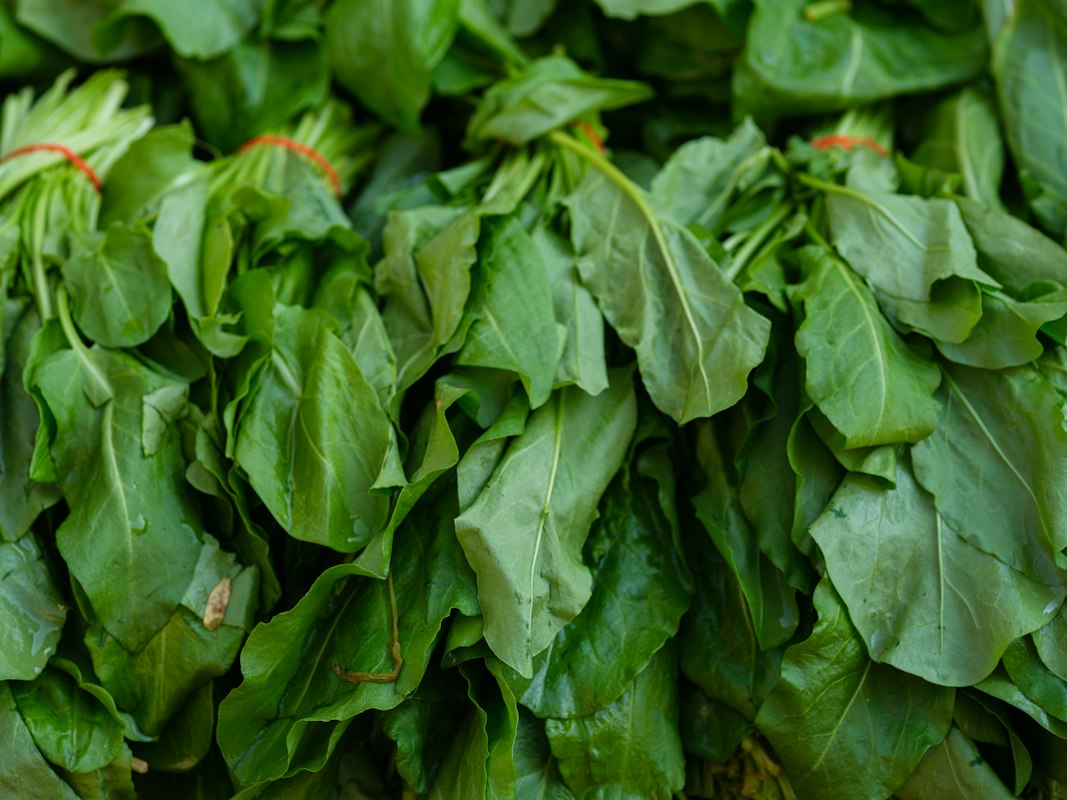
Rich in Micronutrients
Vitamins, minerals & antioxidants
3 Simple Steps to Add These Vegetables Into Your Daily Diet
You do not need to overhaul your entire lifestyle overnight. Our editorial approach emphasises gradual, sustainable change — one meaningful habit at a time.
Audit What's Already on Your Plate
Begin by simply noting what vegetables you already eat regularly during a typical week. Most men discover they default to just two or three types — usually potatoes, tomatoes, and salad leaves. This audit takes less than ten minutes but reveals exactly which nutrient gaps are easiest to close by adding one or two new vegetables per week, rather than attempting a dramatic change all at once.
Choose One New Vegetable Per Week
Select one vegetable from the top six list each week and experiment with two or three simple preparation methods — raw, roasted, and blended into a soup. Research in behavioural nutrition shows that repeated exposure to a new food over seven to ten days is usually enough for it to feel natural and enjoyable. By the end of six weeks, all six power vegetables will feel like a comfortable part of your routine.
Track Energy, Mood & Performance Over Time
Keep a brief daily note — even just two or three sentences in a phone app — about your energy levels, sleep quality, and physical performance. Many readers who follow this simple approach report noticing positive changes in their well-being over time. Tracking creates a feedback loop that makes the habit stick far more reliably than relying on willpower alone.
What Our Readers Are Saying
Readers from across France share how exploring the Healthfoodguideinfo content has changed their relationship with vegetables and daily nutrition.
"
I had been reading health articles online for years but always found them either too technical or too vague to actually apply. The guides on Healthfoodguideinfo struck exactly the right balance — clear, well-researched, and immediately actionable. After following the six-week vegetable plan described in one of the featured articles, I genuinely felt a marked difference in my afternoon energy levels and started sleeping more soundly. It changed the way I think about what ends up on my plate.
Thomas Renard
Lyon, France
"
I discovered the spinach and beetroot article through a friend who trains at the same gym as me. The depth of information was surprising for a free editorial site. I started adding raw spinach to my breakfast smoothie and roasted beets to my Sunday meals, and my endurance during cycling sessions has genuinely improved over the past two months. Highly recommend reading through the complete guides section.
Matthieu Girard
Bordeaux, France
"
As someone who does not come from a background in nutrition, I always found dietary advice overwhelming. The articles here explain the reasoning behind every recommendation, which makes it much easier to actually remember and apply. The garlic and broccoli pieces were especially eye-opening — I had no idea these everyday vegetables had such a rich nutritional profile specifically relevant to men over forty.
Julien Moreau
Toulouse, France
"
The three-step guide on incorporating new vegetables into a weekly routine is exactly the kind of structured approach I needed. Rather than a long list of abstract suggestions, it gave me a concrete framework to follow. I have now been exploring one new vegetable per week for nearly two months and genuinely look forward to the experiment each time. The content on this site has become part of my regular reading.
Pierre-Alexandre Dubois
Marseille, France

A Dedicated Editorial Space for Men's Plant-Based Nutrition
Healthfoodguideinfo was created with a single editorial mission: to bring reliable, nuanced, and genuinely useful information about food and men's well-being together in one accessible place. Our team of writers and nutritional researchers scours the latest peer-reviewed literature so that every article reflects current evidence rather than passing trends.
Based in France and writing for a European readership, we pay close attention to seasonal availability, regional food cultures, and the practical realities of a busy modern lifestyle. Our guides are designed to complement — not compete with — the advice you receive from your own health professionals and nutritional advisors.
Meet the Editorial TeamCommon Questions About Vegetables and Men's Health
Our editorial team compiled answers to the questions readers ask most frequently in response to our articles.
Start Eating Smarter.
Feel the Difference.
You now have the knowledge. The next step is putting it on your plate. Explore our full library of evidence-based guides, meal strategies, and nutrient deep-dives — all tailored to help men perform, recover, and thrive at every age.
No spam. No sales pitches. Just science-backed guidance from Healthfoodguideinfo.